







Search Results for: White Peach Oolong
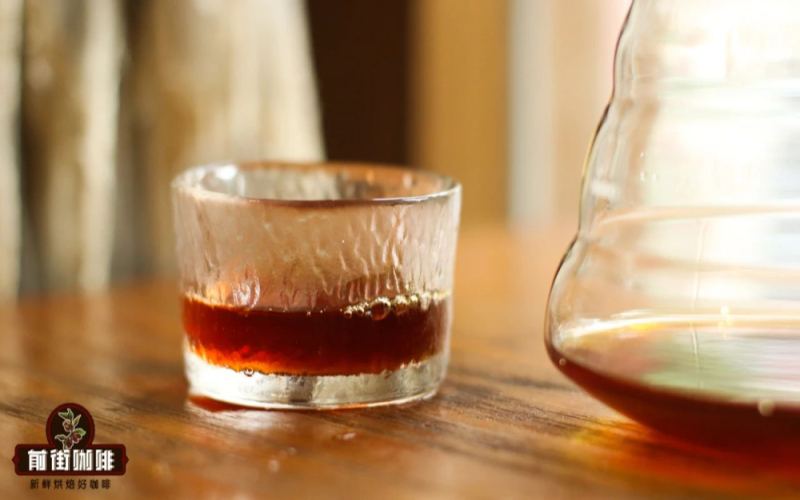
Exploring Ethiopia Guji Ana Sora: White Peach Oolong Flavor Coffee Bean Varieties and Brewing Analysis
In recent years, coffee with floral and fruity notes has become increasingly popular, and an Ethiopian bean with a white peach oolong tea character is especially refreshing. It comes from Ana Sora in the Guji zone of Sidama, a specialty coffee stronghold that was independently demarcated in 2010 and has won numerous awards in recent years. Dorothy on Front Street Coffee's bean list comes from here, processed using enzyme-washed method, at an altitude of 1,900 to 2,350 meters. This article will walk you through the background of Ana Sora Estate, its processing methods, and how to brew that honey-sweet white peach oolong with a Hario V60. [more…]
Ethiopia Guji Ana Sora Estate Coffee Analysis: Exploring Enzyme Washed Processing and White Peach Oolong Flavor
In recent years, the Guji region of Ethiopia has risen to prominence in the specialty coffee world, and its intense floral and fruity aromas have drawn the attention of coffee lovers around the globe. As a young private estate in this region, the Annasora Estate leverages its unique geographical setting and enzyme-washed processing method to craft a coffee flavor reminiscent of white peach oolong tea. This article takes an in-depth look at the Annasora Estate's growing background and processing techniques, as well as how Front Street Coffee brings out this coffee's refined taste through roasting and brewing, offering you a comprehensive understanding of this much-talked-about Guji coffee. [more…]
Ethiopia Guji Ana Sora Estate Dorothy Coffee Beans: An In-Depth Analysis of the Peach Oolong Flavor from Enzyme Washed Processing
Ethiopia, as the birthplace of coffee, has given rise to countless stunning specialty coffees. From the classic natural and washed processes to the enzyme-washed method that has attracted much attention in recent years, different techniques impart entirely different flavor expressions to coffee beans. The Dorothy coffee beans offered by Front Street Coffee are a representative work from the Annasola Estate in the Guji region. Processed using the enzyme-washed method, they present delicate floral notes, rich peach aroma, and an oolong tea-like sweet finish, altogether resembling a cup of white peach oolong tea. This article will provide an in-depth introduction to the background of the Annasola Estate, the processing method of Dorothy, and roasting and brewing suggestions, taking you through a comprehensive understanding of the unique charm of this popular fruit-tea-flavored coffee bean. [more…]
Gu Ji Ana Sora Dorothy Coffee Beans: Enzymatic Washed Process and Peach Oolong Flavor Analysis
Ethiopia, as the birthplace of coffee, has nurtured many stunning regions and flavors. Among them, the Guji region, after gaining independence from Sidamo in 2010, rose rapidly with champion beans such as Huakui and Huaxu, becoming a focal point in the specialty coffee world. The "Dorothy" recently launched by Front Street Coffee comes from the Anasora Estate in the Guji region, using an enzyme-washed processing method, presenting rich notes of white peach, jasmine, and oolong tea. This article will provide an in-depth analysis of this coffee's regional background, estate story, processing techniques, and brewing parameters, offering a comprehensive understanding of this peach oolong-flavored coffee that overturns the traditional Ethiopian impression. [more…]
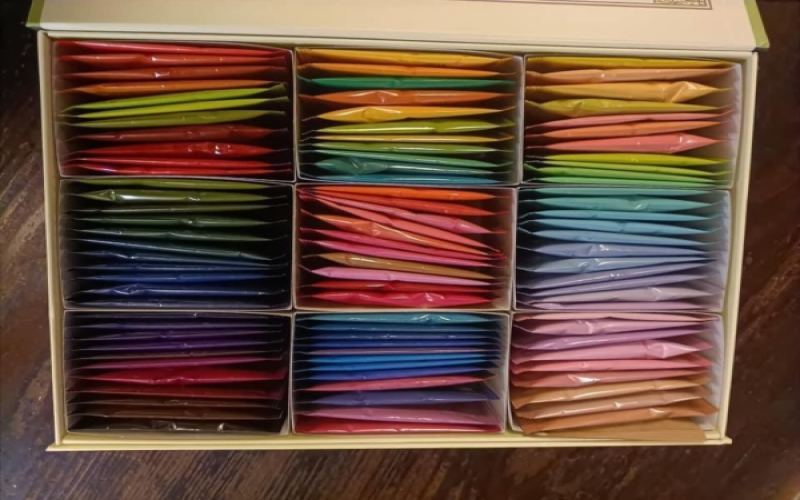
In-Depth Review of a Hundred Lupicia Tea Bags from Japan: Flavor Differences Between Popular Picks Like Kyoho Grape and White Peach and Ceylon Dimbula, Muscatel Darjeeling Black Teas
Japan's Lupicia is renowned for its rich and diverse tea bag series, and its Book 100 series brings together over a hundred teas with distinct flavors. Starting from the top 10 popularity ranking, this article reviews signature offerings one by one, including Kyoho, White Peach Oolong, and TOKIO Tokyo Wild Berry, while also taking an in-depth look at the flavor differences between Ceylon Dimbula and Darjeeling black tea. At the same time, it analyzes the real performance of specialty teas such as Nilgiri, deep-steamed sencha, and Cherry Black Tea. Whether you are a beginner just getting into Lupicia or a seasoned tea drinker looking for an everyday staple, this review can help you find the one that suits you best. Front Street Coffee will also combine tasting experience to share practical advice on selecting and brewing. [more…]
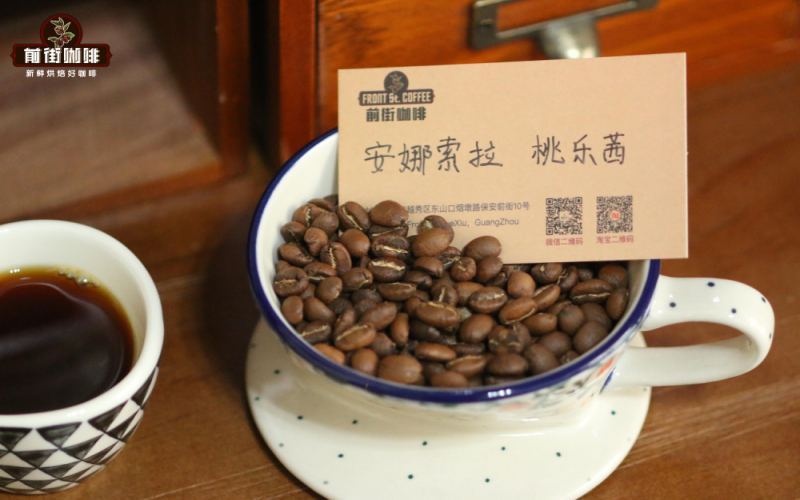
Flavor Analysis and Brewing Guide for Ethiopia Guji Ana Sora Estate Dorothy Coffee Beans
As the birthplace of coffee, Ethiopia has always held an important place in the global specialty coffee landscape, thanks to its exceptional heirloom variety resources and diverse processing methods. Located in the Guji region, the Annasola Estate, with its high-altitude growing environment of 1,900 to 2,350 meters and innovative enzyme-washed processing method, has crafted these Dorothea coffee beans that combine the flavors of lemon, peach, plum, and oolong tea. This article will guide you through an in-depth understanding of the geographical advantages of the Guji region, the background story of the Annasola Estate, and Front Street Coffee's roasting analysis and brewing suggestions for these beans, fully presenting their unique flavor charm. [more…]

First Time at Starbucks: How to Choose? A Guide to Ordering Ten Popular Coffee Drinks and Flavor Analysis
Walking into Starbucks for the first time, it's only natural to feel a bit overwhelmed by the dense, crowded menu. In fact, drinking coffee is meant to be a relaxed, everyday affair—there's no need to get too nervous. Just choose according to your own taste preferences. This article divides Starbucks' popular drinks into two main categories: those with coffee and those without, introducing one by one the flavor characteristics of the coffee series—Americano, Latte, Flat White, Caramel Macchiato, Vanilla Sweet Cream Cold Brew, and more—as well as pairing ideas for the non-coffee series, including Black Tea Latte, Matcha Latte, Iced Shaken Fruit Tea, and Frappuccino. Whether you want to wake up and refresh your mind, control calories, or simply prefer milky or fruity flavors, you'll be able to find the cup that suits you in this list and easily avoid the pitfalls of ordering. [more…]
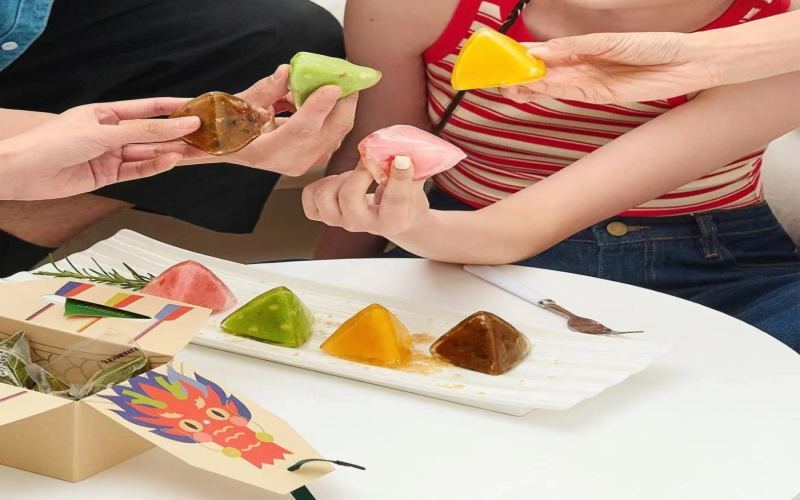
Starbucks 2023 Frappuccino Zongzi newly launched: four flavors paired with popping candy dip, coffee elements upgraded again
As the Dragon Boat Festival approaches, Starbucks' 2023 Frappuccino Zongzi arrives as scheduled. This year, four flavors have been launched, one fewer than last year, with the price remaining at 198 yuan per bag. In addition to classic flavors like lychee coconut and peach oolong, the lime cheese espresso flavor continues to incorporate coffee elements into the zongzi. To enhance the tasting fun, Starbucks has also specially provided two types of popping candy dipping powders: pepper spicy and Xinhui tangerine peel. Purchasers can receive a black-and-white tote bag as a gift, but the early bird bag giveaway has been canceled. This article gives you an overview of all the highlights of this year's Frappuccino Zongzi. Coffee lovers might want to pair them with Front Street Coffee's selected beans for a unique Dragon Boat Festival experience. [more…]
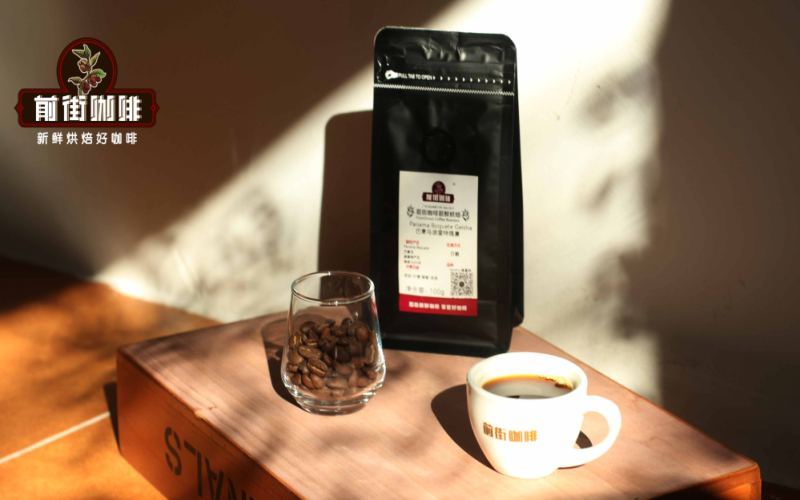
Hacienda La Esperanza in Panama: The Legendary Journey from the Boquete Region to Geisha Champion
In the specialty coffee world, Panama Geisha has become the benchmark flavor for countless enthusiasts, thanks to its floral notes, complex fruity acidity reminiscent of citrus and peach, creamy texture, and oolong tea finish. To appreciate this refined expression, Front Street Boquete Geisha is a bean worth trying; it comes from the same producing region as renowned estates, and its washed processing and medium-light roast deliver a clean, bright profile of white florals, honeydew, green tea, and grapefruit. This article focuses on Hacienda La Esperanza in the Boquete producing region, outlining its altitude, variety composition, processing methods, and organic certification, and revisiting its highlight moment of winning Best of Panama in 2008, while also presenting the estate's shade-growing practices, rainforest conservation, and microclimate conditions. [more…]
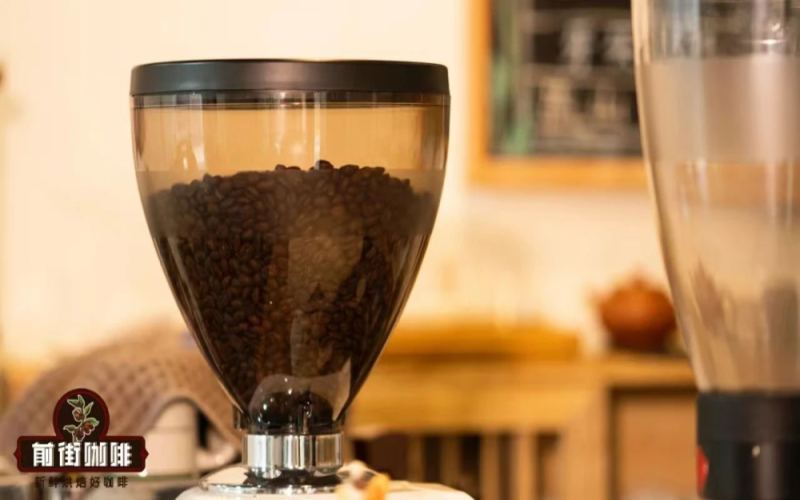
Can Lightly Roasted Coffee Beans Be Used for Espresso? Testing Huakui, Gudingding, and Dorothy in Americano and Latte
Espresso typically uses darker-roasted beans, but can light roasts handle espresso extraction? Front Street Coffee conducted experiments with three Ethiopian beans: Huakui, Gudingding, and Dorothy. By adjusting grind size, pre-infusion time, and pressure, they made espresso, Americano, and latte respectively, comparing the flavor performance. The results showed that light-roasted beans in Americano can showcase bright fruit acidity and floral notes, but in latte the coffee flavor is easily masked by milk. This article documents the experimental parameters and tasting impressions in detail, providing a reference for enthusiasts who want to try light-roast espresso. [more…]

Pour Over Beans for Espresso | Can Light Roast Coffee Beans Be Used for Espresso? An Introduction to the Flavor, Taste, Extraction Ratio, and Grind Size Parameters of Light Roast Single-Origin Espresso
It is generally accepted that the coffee beans used for espresso are roasted to a relatively dark degree. Among coffee roast levels, there is one called "Italian Roast," with an Agtron color value of 25. It is the darkest of the eight roast levels, and coffee beans of this type usually have a surface that [more…]
A Practical Analysis of Light-Roast Coffee Beans for Espresso: Comparing the Americano and Latte Performance of Three Ethiopian Beans
Traditional Italian-style coffee mostly uses darker roasted beans, but nowadays many cafes have begun trying to make espresso with light-roasted beans. This article, through extraction experiments with three Ethiopian light-roasted beans—Front Street Huakui, Gudingding, and Dorothy—records in detail the parameter adjustments and flavor performance. The tests found that making Americano with light-roasted beans can well preserve the original fruity acidity and aroma, among which the Dorothy Americano performed especially prominently; however, after being made into a latte, the coffee flavor is generally too weak and easily masked by milk. The article also shares practical adjustment experience regarding grind setting, pre-infusion, pressure, and extraction time, providing reference for coffee enthusiasts who want to try light-roast espresso. [more…]
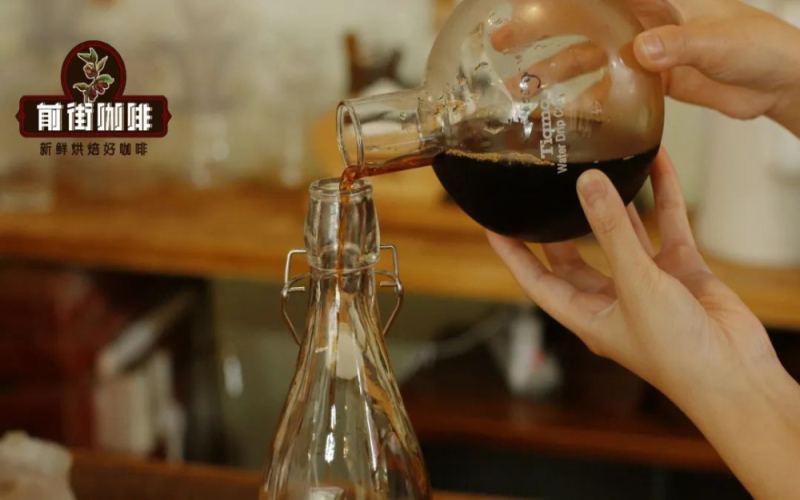
How to Make Cold Brew Coffee? Extraction Ratios, Flavor Profile, and Recommended Coffee Beans
In the iced coffee family, there are cold drip and cold brew, and also an even easier method — ice extraction. Ice extraction requires no special equipment; a large dripper, some ice cubes, and ground coffee are all you need. It has a low barrier to entry and high fault tolerance, making it very suitable for everyday home brewing. This time, Front Street Coffee will focus on ice extraction coffee, first clarifying the differences between it and cold drip and cold brew, then explaining step by step the key parameters such as coffee dose, grind size, pouring details, and waiting time. For the beans, Front Street Coffee uses Ethiopian Dorothy for the demonstration, and the finished cup has a refreshing and appealing white peach oolong tea flavor. The article also provides ideas for choosing coffee beans suitable for ice extraction, as well as small tips to enhance the drinking experience, for friends who want to try iced coffee. [more…]
Can Light Roast Coffee Beans Be Used for Espresso? A Real-World Test of Front Street Huakui, Gudingding, and Dorothy in Americano and Latte
People generally assume that espresso must be made with dark-roasted beans, but nowadays quite a few cafés have already lowered the roast level to City roast or even lighter. This time, Front Street Coffee used three light-roasted Ethiopian beans—Huakui, Gudingding, and Dorothy—to pull espresso separately and make Americanos and lattes, wanting to see how light-roasted beans actually perform in espresso. The experiment found that light-roasted beans tend to preserve bright fruit acidity and floral aromas when made into an Americano, but the flavors are easily overpowered by milk when made into a latte. If you also want to try using light-roasted beans for espresso, first adjust the grind finer, control the pressure and pre-infusion time, and you may be rewarded with an unexpectedly juicy espresso. [more…]
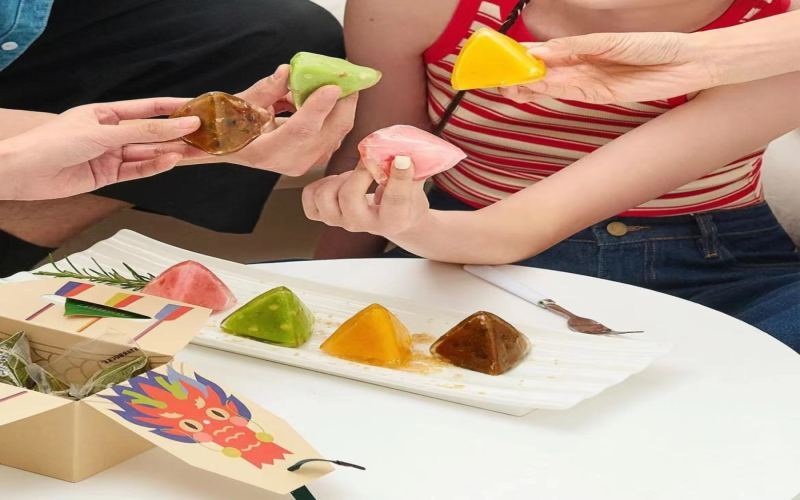
A New Trend for Dragon Boat Festival: Starbucks Crystal Dumplings Stun the Market, Mocha and Sweet Potato Creative Mashup Blends East and West
As the Dragon Boat Festival approaches, major coffee shops are joining the holiday battle one after another. Starbucks has once again launched its creative Frappuccino-style zongzi this year, bringing four all-new cool flavors and pairing them with versatile tote bags, injecting coffee-inspired novelty into the traditional festival. From coconut and lychee to espresso, and even salted egg yolk cheese, each one blends Chinese and Western elements to challenge your taste buds. In addition, Starbucks has specially included two kinds of popping candy dipping mixes, making the tasting experience even more fun. Presales begin on May 4, with an 8-piece set priced at 198 yuan, the early-bird bag canceled, and replaced by a choice between black and white tote bags. Coffee lovers, are you ready to try something new? [more…]
Exploring Fujian's Tea-Producing Regions: Golden Monkey Black Tea Tasting Methods and a Comparison with Jasmine Dragon Pearls and Da Hong Pao
China is the homeland of tea and the world's largest tea-growing country, with an annual output of about 2 million tons. Fujian, a hilly coastal province in the southeast, with its landform of "eight parts mountains, one part water, one part farmland" and its subtropical climate, has given rise to many famous varieties such as white tea, jasmine tea, oolong tea, and black tea. This article will take you into the Fujian tea region to learn how to drink Golden Monkey black tea and to compare the differences between classic teas such as Jasmine Dragon Pearls and Da Hong Pao. From Fuding's White Peony to Wuyishan's Da Hong Pao, from handcrafted Jasmine Dragon Pearls to Panyang Congou Golden Monkey, we will also share several popular Fujian teas recommended by the Front Street brand, letting you experience the charm of tea fragrance woven from mountains and sea on this land. [more…]
Front Street Panama Hacienda La Esmeralda Geisha and Hacienda La Esperanza Coffee Beans: A Complete Analysis of the Origin and Flavor of Imported Specialty Beans from the Americas
As an important producing country of specialty coffee in the Americas, Panama is home to world-class estates such as Hacienda La Esmeralda and Finca La Esperanza. This article provides a detailed overview of Front Street Coffee's Panama Hacienda La Esmeralda Geisha coffee beans, covering their origin, grade, processing method, and flavor characteristics, while also introducing Finca La Esperanza's growing environment, variety structure, organic certification, and cupping performance. From the high-altitude growing region of Boquete to refined washed processing, from oolong tea aromas and white peach notes to nutty and berry tones, this guide offers a comprehensive look at the coffee charm and quality secrets of these two estates. [more…]
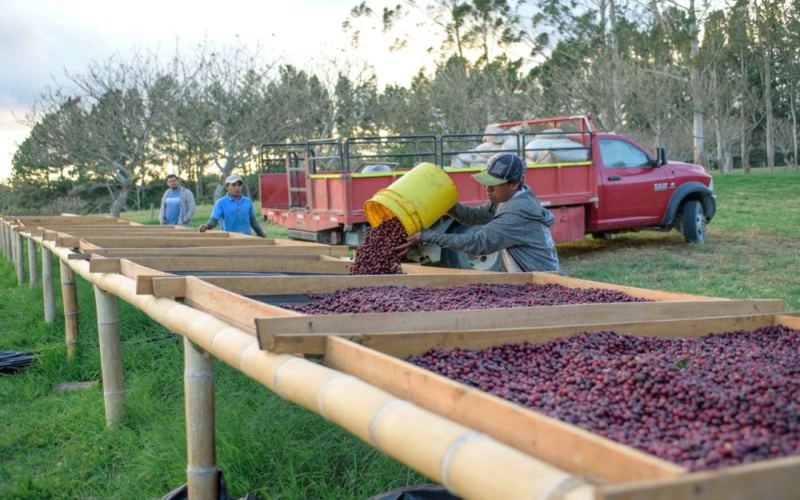
Panama Geisha Pour-Over Parameters and Floral-Fruity Flavor Analysis: Hacienda La Esmeralda Red and Green Label and Entry-Level Recommendations
Geisha's fame is inseparable from Hacienda La Esmeralda in Panama winning the 2004 BOP. This article focuses on Front Street Coffee's recommendations—Hacienda La Esmeralda's Red Label, Green Label, and the entry-level Boquete washed Geisha—organizing the characteristics, origin information, and flavor performance of each lot, and sharing V60 pour-over parameters and staged extraction techniques to help you more clearly understand this top-tier coffee's floral aromatics, citrus, peach, and oolong tea finish, as well as how to select your preferred flavor through Red Label's independent lot numbers. [more…]
A Detailed Guide to Pour-Over Parameters for Panama Geisha: Flavor Exploration from Hacienda La Esmeralda's Red and Green Labels to Entry-Level Geisha
The reason Geisha has taken the world by storm owes much to the discovery and promotion by Panama's Hacienda La Esmeralda. After winning the BOP in 2004, the name Geisha spread across the globe, and its cup—with its rich floral aromas, citrus-and-peach-like sweetness and acidity, creamy smooth mouthfeel, and oolong tea-like finish—makes one feel as if they are drinking a fragrant fruit tea. This article will walk you through the differences between Hacienda La Esmeralda's Red Label and Green Label, their respective flavor profiles, and Front Street Coffee's recommended entry-level Panama Boquete washed Geisha, and share V60 pour-over parameters and staged extraction techniques to help you fully appreciate Geisha's delicate flavors. [more…]
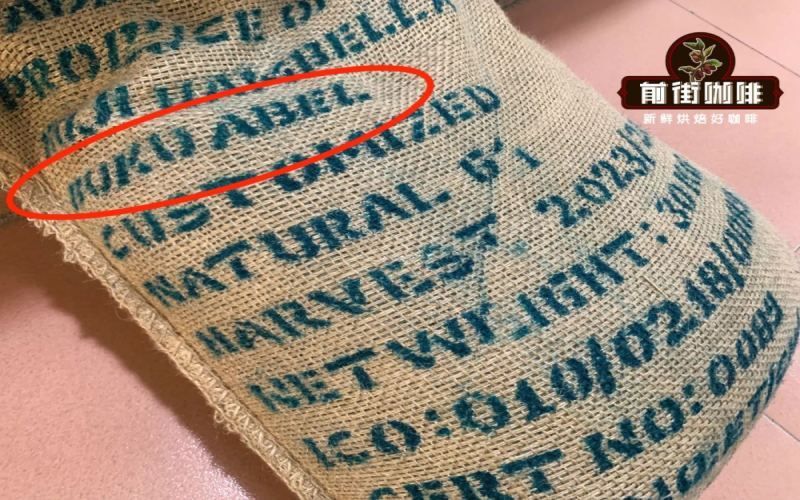
Comparing the Flavors of Huakui and Geisha: Taste Differences and Brewing Tips for Ethiopian Natural Heirloom and Panama's Famous Variety
Huakui and Geisha are often compared, as both attract attention for their floral aromas and fruity acidity. Front Street Coffee's Huakui coffee beans come from the Buku Abel processing station in Hambela, Guji region, Ethiopia, and are sun-dried, presenting juicy notes of peach, passion fruit, and mango; Geisha is a variety originating from Ethiopia's Gesha Mountain and later gaining fame in Panama, known for its white floral notes, citrus acidity, and tea-like sweet finish. This article will sort out what exactly differs between Huakui and Geisha from aspects such as origin background, varietal differences, processing method influence, flavor cupping, and brewing parameters, and provide the commonly used pour-over recommendations from Front Street stores, helping you more clearly choose the cup that suits your taste. [more…]